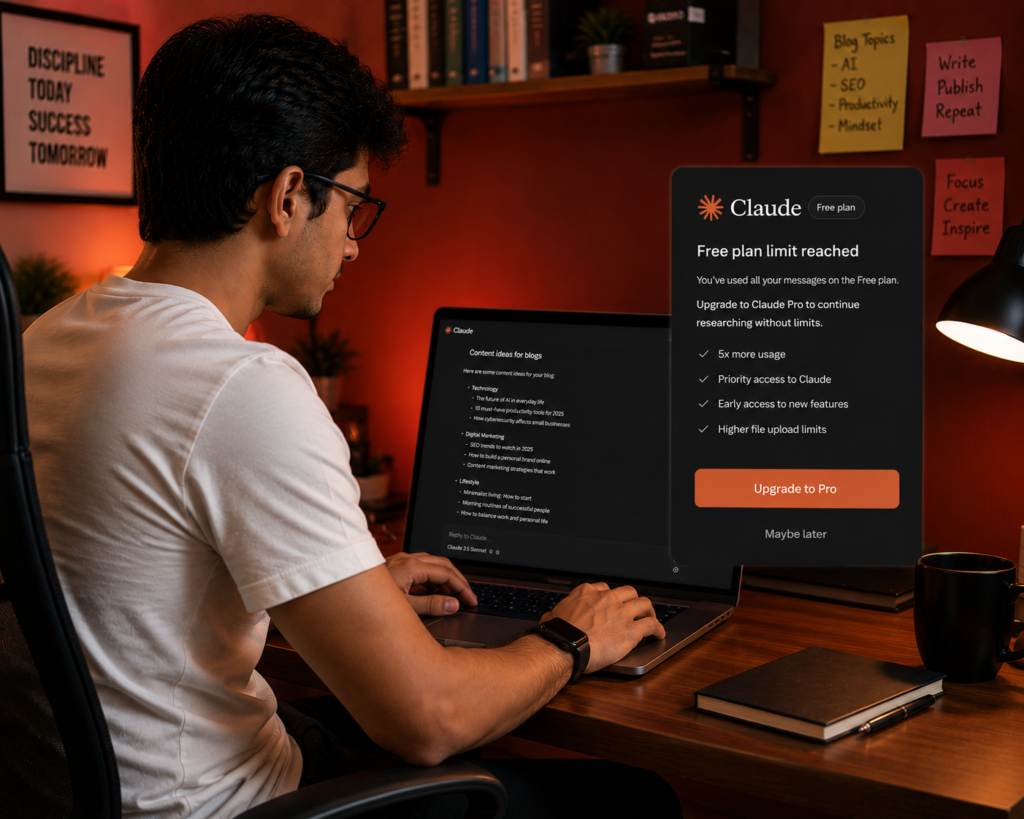
Premium App Versions are everywhere.
Open your phone.
Within seconds you’ll notice a familiar pattern.
Spotify Premium.
ChatGPT Plus.
YouTube Premium.
LinkedIn Premium.
Canva Pro.
Telegram Premium.
Snapchat+.
Duolingo Max.
CapCut Pro.
Notion AI.
Almost every app now has another version with words like Pro, Plus, Premium, or Max.
Have you ever wondered why?
Is it because these companies suddenly have better features?
Or is there something much deeper happening?
The answer isn’t just technology.
It’s psychology.
Modern companies no longer sell only software.
They sell identity, status, convenience, and aspiration.
The words Pro, Plus, and Max are carefully chosen because they influence how people perceive value long before they compare features.
Chapter 1: What Are Premium App Versions?
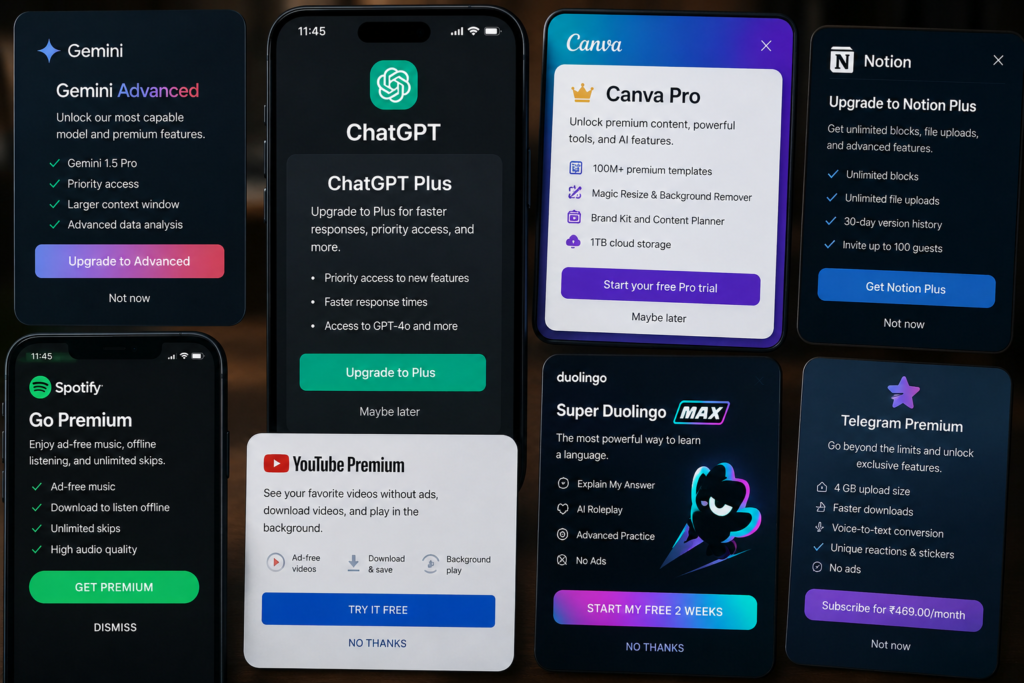
A Premium App Version is an upgraded version of an app that offers additional features, fewer restrictions, or a better overall experience in exchange for a recurring subscription or one-time payment.
Instead of asking users to buy the app immediately, companies first let them experience the free version.
Once users become familiar with the product, they’re encouraged to upgrade for extra benefits such as:
- Ad-free usage
- Unlimited access
- AI-powered tools
- Faster performance
- Exclusive content
- Higher storage
- Advanced customization
This business model is known as the Freemium Model, where the basic product is free while advanced features are reserved for paying users.
But here’s the interesting part.
The success of Premium App Versions isn’t based only on features.
It’s based on how those upgrades make people feel.
Why Companies Stopped Selling Apps and Started Selling Upgrades
Ten years ago, most software companies sold products.
You paid once.
You owned it forever.
Today, companies prefer subscriptions.
Why?
Because subscriptions generate predictable monthly revenue while allowing businesses to continuously improve their products.
However, simply asking users to pay isn’t enough.
People need a reason to upgrade.
That’s where Premium App Versions become powerful.
Instead of saying,
“Pay ₹999.”
Companies say,
“Become a Pro.”
That small change completely transforms the buying experience.
Consumers no longer feel like they’re purchasing software.
They feel like they’re investing in themselves.
That’s why words such as Pro, Plus, and Max have become so common across apps and digital services.
Chapter 2: The Hidden Psychology Behind Premium App Versions
If Premium App Versions were only about offering extra features, every company could simply create two pricing plans:
- Free
- Paid
But they don’t.
Instead, they carefully choose names like:
- Pro
- Plus
- Premium
- Max
- Gold
- Elite
- Business
Why?
Because names influence emotions before customers even compare features.
Let’s uncover the psychological principles behind this strategy.
1. Identity Psychology: People Buy Who They Want to Become
Imagine these two buttons inside an app.
Option A
Upgrade for ₹499/month
Option B
Become a Pro Member
Both cost exactly the same.
Yet most people perceive the second option as more valuable.
Why?
Because humans don’t just buy products.
They buy identities.
Think about apps like Canva Pro or LinkedIn Premium.
Most users don’t subscribe simply because they need every feature.
They subscribe because those names make them feel more capable, productive, or professional.
The word Pro quietly tells your brain:
“This is what serious people use.”
The purchase becomes emotional, not just functional.
2. The Progress Effect: We Naturally Want the Next Level
Humans enjoy progression.
It’s why games have levels, fitness apps have streaks, and loyalty programs have silver, gold, and platinum tiers.
Premium App Versions use the same psychology.
The free version feels like the starting point.
The premium version feels like moving to the next stage.
Even if you’re satisfied with the free app, seeing labels like Plus or Max creates the feeling that there’s something better waiting for you.
Companies don’t just sell features.
They sell progress.
3. FOMO: “What Am I Missing?”
After using a free app for a while, you begin noticing messages like:
- Unlock unlimited access.
- Get AI-powered features.
- Remove ads forever.
- Upgrade to Pro.
You may not have planned to subscribe.
But a question starts forming in your mind:
“What am I missing?”
This is the Fear of Missing Out (FOMO).
The free version works well enough, but constant reminders create curiosity and make premium features seem more valuable than they may actually be.
Over time, many users upgrade simply to avoid feeling left behind.
4. Status Signaling: Premium Feels Exclusive
People naturally value things that appear exclusive.
That’s why brands avoid naming their paid plans something boring like:
- Paid Version
- Subscription Plan
- Version 2
Instead, they choose words that communicate achievement.
Compare these names:
- Paid Version
- Premium
- Pro
- Max
The features may be identical.
The perception isn’t.
Words like Premium and Pro create a subtle feeling of status.
They suggest that you’re part of a smaller group with access to something better.
In many cases, consumers are paying as much for that feeling as they are for the additional features.
5. Loss Aversion: Once You Experience Premium, It’s Hard to Go Back
Imagine you subscribe to YouTube Premium for one month.
You enjoy:
- No advertisements.
- Background playback.
- Offline downloads.
Now your subscription expires.
Suddenly, advertisements return.
Even though nothing new has been taken away, it feels like you’ve lost something valuable.
This is called Loss Aversion.
Psychologists have found that people dislike losing benefits more than they enjoy gaining them.
That’s why many companies offer free trials.
Once users experience the premium version, returning to the free version feels like a downgrade.
Why “Pro,” “Plus,” and “Max” Work Better Than “Paid”
Think about these two upgrade options.
Option 1
Upgrade to Paid Version
Option 2
Upgrade to Premium
Which sounds more appealing?
Most people choose the second option without even thinking.
Because words carry emotional meaning.
- Pro suggests expertise and professionalism.
- Plus suggests getting something extra.
- Premium suggests higher quality.
- Max suggests the best possible experience.
The product may remain almost the same.
But the language changes how we perceive its value.
That’s why companies spend so much time choosing names for their pricing plans.
They’re not selling software.
They’re selling a feeling.
Chapter 3: Why Apps Choose “Pro,” “Plus,” “Premium,” or “Max” Instead of “Paid”
If every premium subscription simply unlocks additional features, why don’t companies call them:
- Paid Version
- Subscription Plan
- Monthly Plan
Instead, they use names like:
- ChatGPT Plus
- Canva Pro
- Duolingo Max
- YouTube Premium
- LinkedIn Premium
- Google AI Pro
This isn’t a coincidence.
Every word is chosen to create a specific emotional response before users even read the pricing details.
Let’s decode what these names actually communicate.
“Pro” Means “I’m Serious”
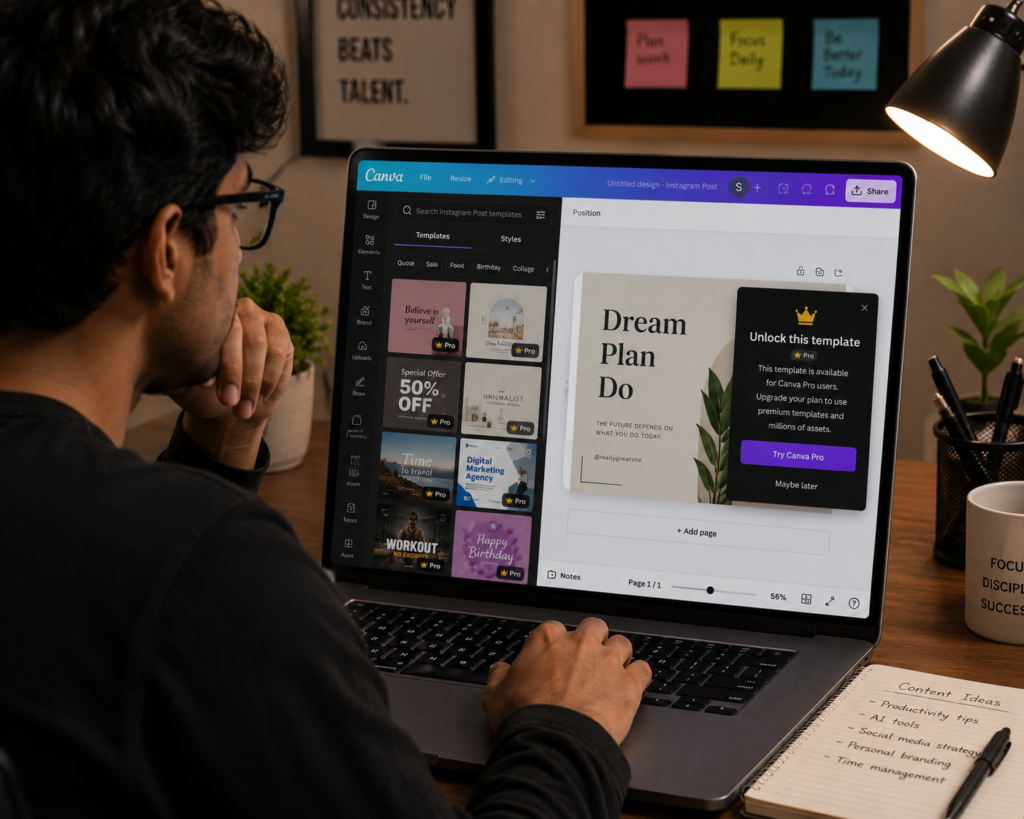
The word Pro doesn’t describe the software.
It describes the user.
When someone subscribes to Canva Pro, they’re not just unlocking premium templates.
They’re quietly telling themselves:
“I’m becoming a professional creator.”
Similarly, CapCut Pro suggests you’re more than someone casually editing videos.
You’re creating content at a professional level.
The software becomes part of your identity.
This is why Pro works so well.
It sells confidence, not just features.
“Plus” Means “A Better Version of What You Already Love”
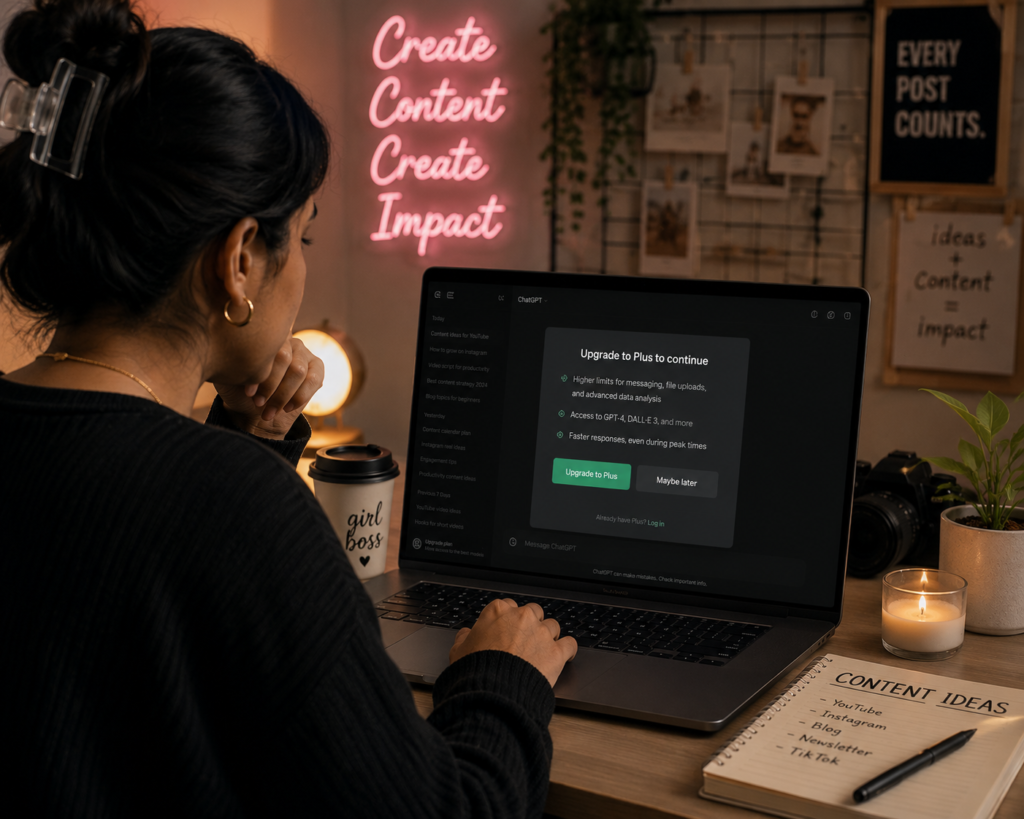
Unlike Pro, the word Plus doesn’t suggest expertise.
It suggests improvement.
Think about ChatGPT Plus.
The name doesn’t imply that the free version is bad.
Instead, it says:
“Everything you already enjoy… plus something extra.”
That’s a much softer marketing approach.
The word Plus feels accessible.
It encourages users to upgrade without making them feel inadequate.
It’s one of the reasons why many consumer-focused apps prefer this naming strategy.
“Premium” Means “The Complete Experience”
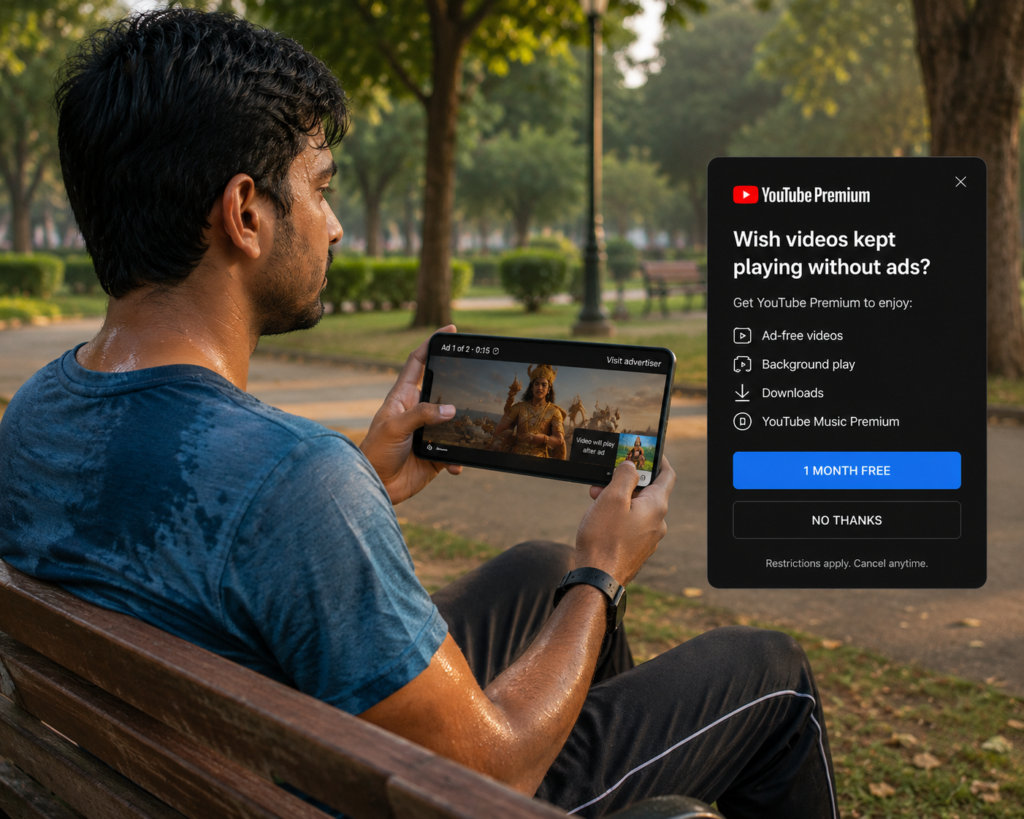
The word Premium focuses on quality.
It tells users they’re getting the best version available.
Take YouTube Premium as an example.
Most people don’t subscribe simply because they dislike advertisements.
They subscribe because Premium promises a smoother experience:
- No ads.
- Offline downloads.
- Background playback.
The word itself communicates comfort, convenience, and completeness.
Instead of buying extra features, users feel they’re unlocking the full experience.
“Max” Means “No Limits”
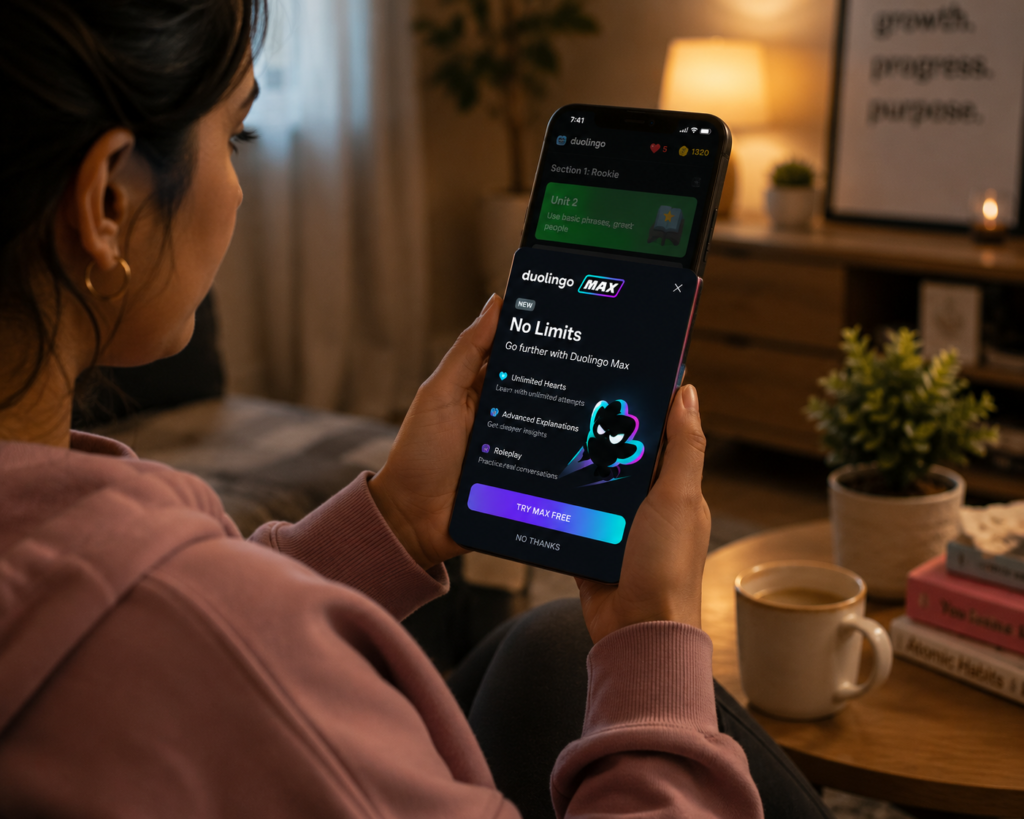
Among all premium labels, Max creates the strongest impression.
It immediately suggests:
- Maximum performance.
- Maximum features.
- Maximum value.
When Duolingo Max was introduced, the name itself communicated that this wasn’t just another subscription tier.
It represented the platform’s most advanced learning experience.
The word Max naturally appeals to users who always want the highest level available.
Real-World Examples of Premium App Versions
The world’s most popular apps use premium naming to influence customer perception.
ChatGPT Plus
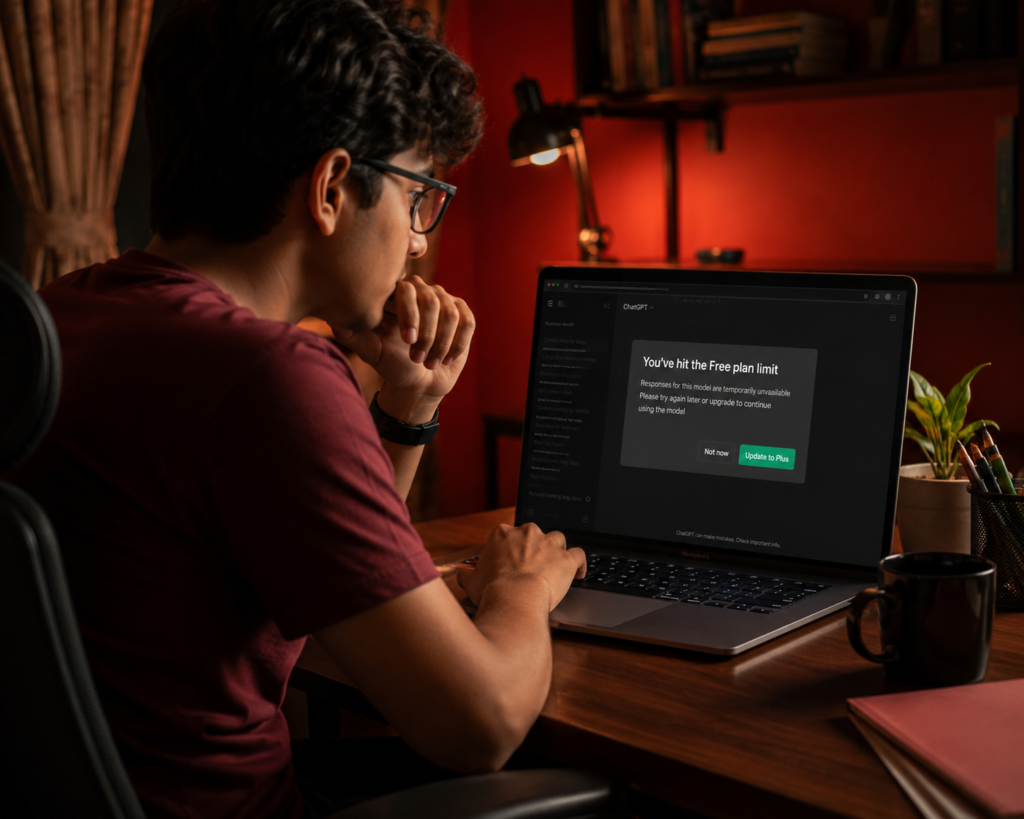
OpenAI could have named it ChatGPT Premium.
Instead, it chose Plus.
Why?
Because the service feels like a natural upgrade rather than an exclusive club.
The message is simple:
“You already enjoy ChatGPT.
Now get even more.”
Canva Pro
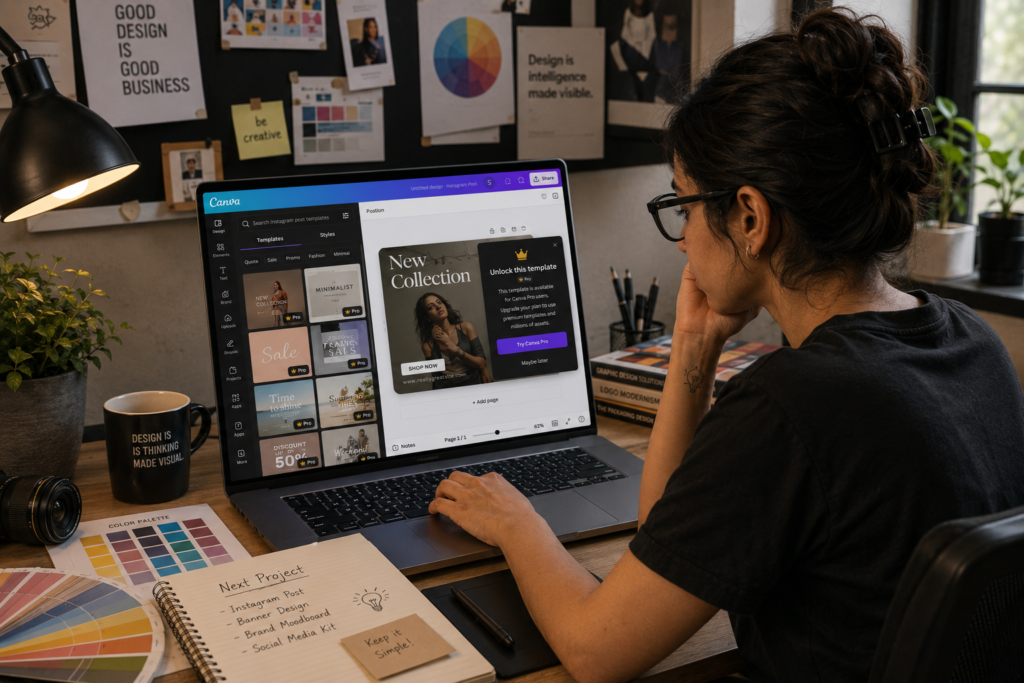
Canva targets creators, marketers, students, and businesses.
The word Pro aligns perfectly with those audiences because it reinforces the idea of becoming more productive and professional.
The subscription becomes part of the user’s creative identity.
LinkedIn Premium
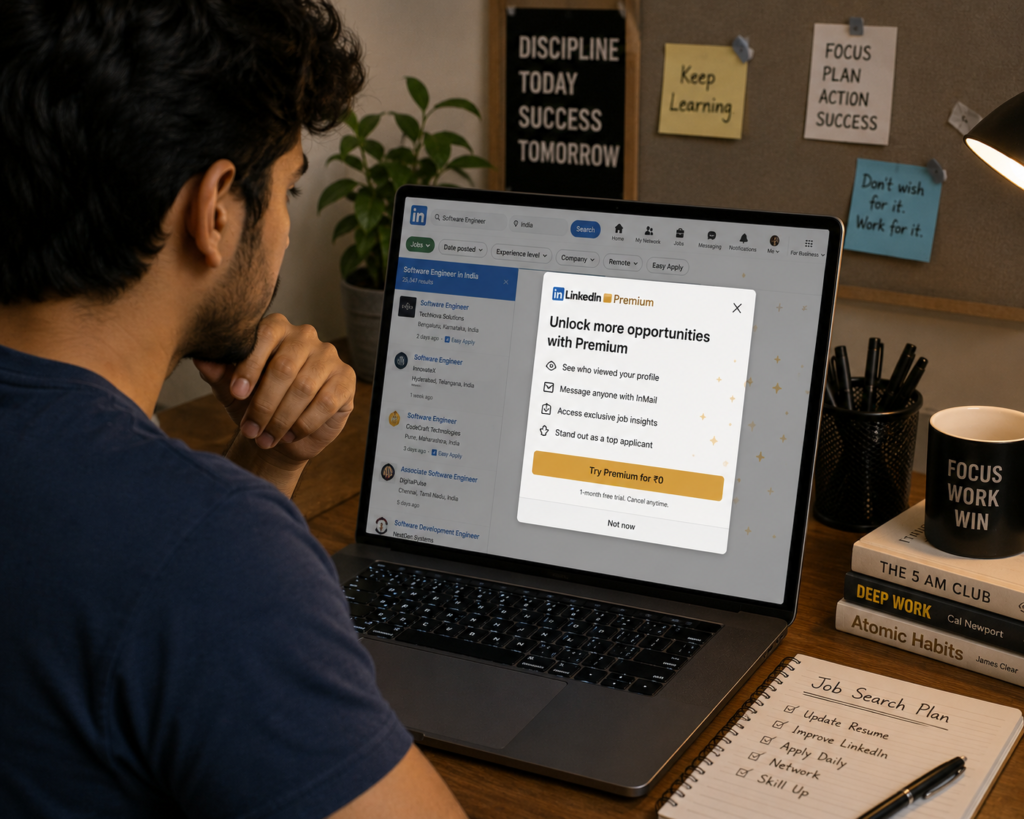
LinkedIn isn’t selling profile views or messaging credits.
It’s selling career confidence.
The word Premium makes professionals feel they’re investing in future opportunities rather than paying for software.
Spotify Premium
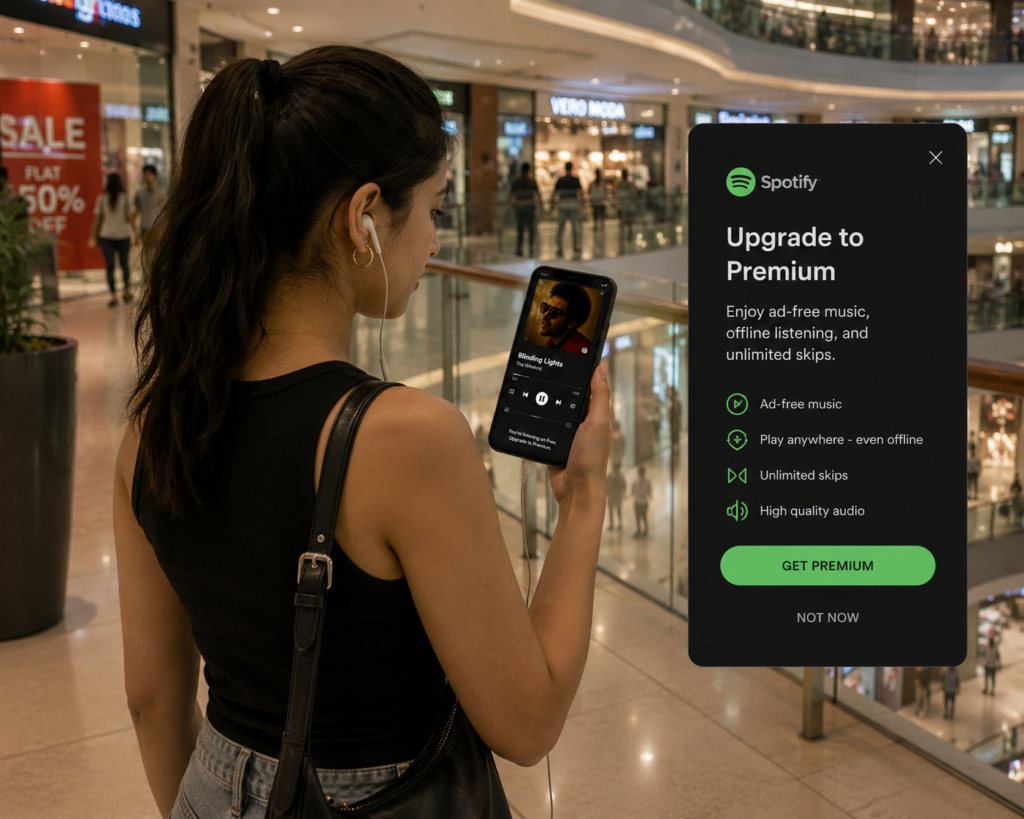
Spotify’s premium version isn’t marketed around technical specifications.
Instead, the emphasis is on freedom:
- Listen without ads.
- Download music.
- Skip whenever you want.
The word Premium reinforces the idea of uninterrupted entertainment.
Duolingo Max
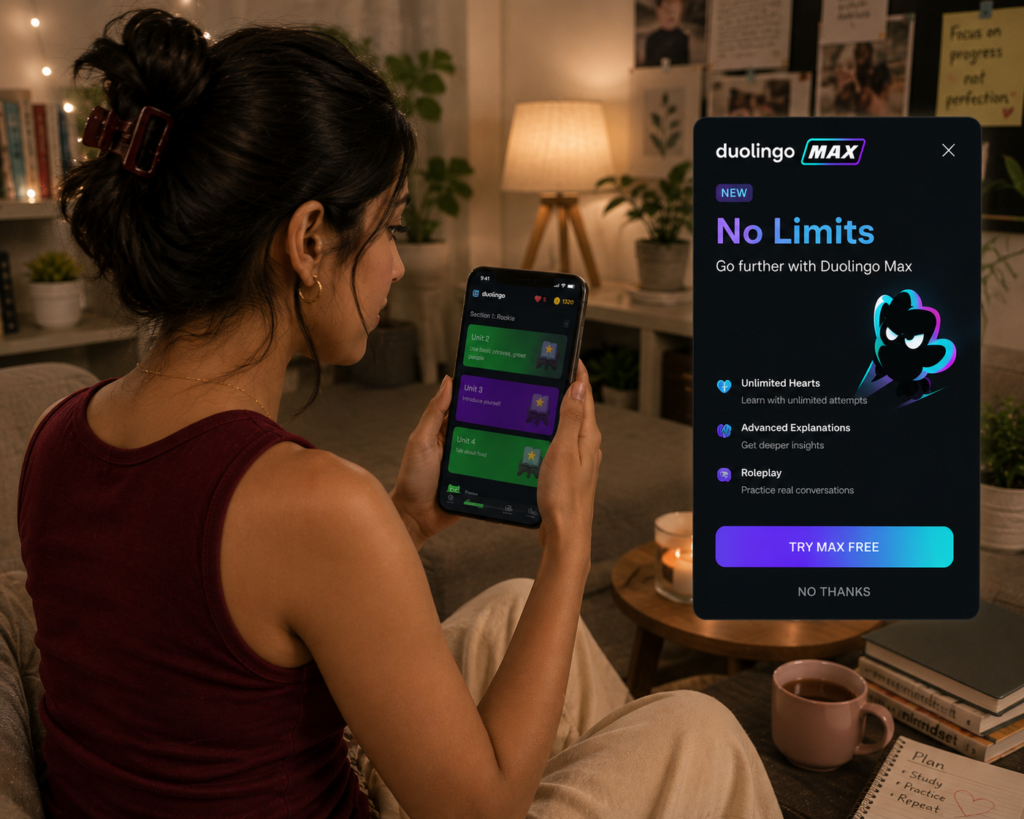
Unlike the free plan, Duolingo Max introduces advanced AI-powered learning features.
The word Max immediately signals:
“This is the ultimate version.”
Even before users compare features, the name shapes expectations.
The Bigger Pattern
Notice something interesting.
Each company uses a different word because it matches its brand personality.
- Pro inspires ambition.
- Plus suggests improvement.
- Premium communicates quality.
- Max promises the ultimate experience.
The feature list matters.
But the name creates the first impression.
Before users compare prices, before they read feature tables, and before they click the upgrade button, they’ve already formed an opinion based on a single word.
That’s the hidden power of Premium App Versions.
Companies aren’t just designing better products.
They’re designing better perceptions.
Chapter 4: What Businesses Can Learn from Premium App Versions
The success of Premium App Versions isn’t limited to technology companies.
Whether you run a SaaS startup, an e-commerce business, a fitness app, or even a local service, there are valuable lessons you can apply.
1. Sell Transformation, Not Features
People rarely buy products because of long feature lists.
They buy because they believe the product will improve their lives.
For example, Canva doesn’t simply sell premium templates.
It sells the feeling of becoming a better designer.
LinkedIn Premium doesn’t just offer profile insights.
It sells career growth and professional confidence.
The lesson is simple.
Don’t market what your product does.
Market who your customer becomes after using it.
2. Naming Shapes Perception
Imagine these two subscription plans:
- Monthly Plan
- Premium Membership
Both could offer exactly the same benefits.
Yet most people perceive Premium Membership as more valuable.
That’s because words create expectations.
The names Pro, Plus, Premium, and Max instantly communicate quality, expertise, and exclusivity.
Sometimes, changing the name of a product can influence perception before changing the product itself.
3. Let Customers Experience Value First
Almost every successful Premium App Version follows the same strategy.
Free first.
Premium later.
Users build a habit with the free version before they’re asked to upgrade.
By the time they see the premium features, they’ve already invested time and trust in the product.
This lowers resistance to purchasing because the customer already understands the value.
4. Simplicity Sells Better Than Complexity
Notice how most apps avoid confusing pricing structures.
Instead of offering ten different plans, they usually present:
- Free
- Premium
Or
- Basic
- Pro
Too many choices create confusion.
A simple upgrade path makes the buying decision much easier.
Frequently Asked Questions (FAQs)
1. What are Premium App Versions?
Premium App Versions are paid upgrades that offer additional features, fewer limitations, or a better user experience compared to the free version.
2. Why do companies use names like Pro, Plus, and Max?
These names create positive perceptions. They suggest expertise, improvement, quality, or exclusivity, making users more likely to upgrade.
3. Why don’t companies simply call them “Paid Versions”?
The word “paid” focuses on cost.
Words like Pro, Plus, and Premium focus on value and identity, making the upgrade feel more appealing.
4. Is the Freemium model effective?
Yes. The Freemium model allows users to experience the product before paying, building trust and increasing the likelihood of upgrading.
5. Are Premium App Versions worth paying for?
It depends on your needs.
If the premium features solve real problems or save you time, they can be a worthwhile investment. If you rarely use the additional features, the free version may be enough.
Final Thoughts
Open your phone and count how many apps have a Pro, Plus, Premium, or Max version.
You’ll probably find more than you expected.
That isn’t a coincidence.
It’s the result of years of research in consumer psychology, branding, and behavioral economics.
Today’s companies understand that people don’t always buy products based on specifications alone.
They buy convenience.
They buy confidence.
They buy progress.
Most importantly, they buy the version of themselves they aspire to become.
That’s why Premium App Versions have become one of the most successful business strategies of the digital era.
The next time an app asks you to upgrade to Pro, Plus, or Max, pause for a moment.
Don’t just compare the features.
Ask yourself a more interesting question:
“Am I paying for better software, or am I paying for the feeling that comes with the name?”
That single question reveals the true power of Premium App Versions.
What We Can Learn as Consumers
The biggest lesson isn’t that companies are manipulating us.
It’s that great marketing changes perception before it changes behavior.
Understanding how premium naming works helps us become more thoughtful buyers.
It reminds us to evaluate products based on their real value rather than the emotions attached to words like Pro, Plus, Premium, or Max.
At the same time, businesses can learn that successful products aren’t just built with better technology.
They’re also built with better psychology.
When companies combine meaningful features with thoughtful branding, customers don’t feel like they’re buying another subscription.
They feel like they’re investing in a better version of themselves.
Good